A Stanford Graduate Student Turns a Campus Dating Algorithm into the Startup Behind Date Drop

As Valentine’s Day approaches on college campuses, conversations often turn toward relationships — who’s dating whom, who matched with whom, and who is bravely heading into the uncertainty of a first date. For years, the script has been predictable: open a dating app, swipe endlessly, and hope the algorithm eventually produces someone worth meeting.
But at Stanford University, a growing number of students are skipping the swipe altogether.
Instead, they are waiting for a weekly message.
The message contains a single name.
And that name could become a relationship.
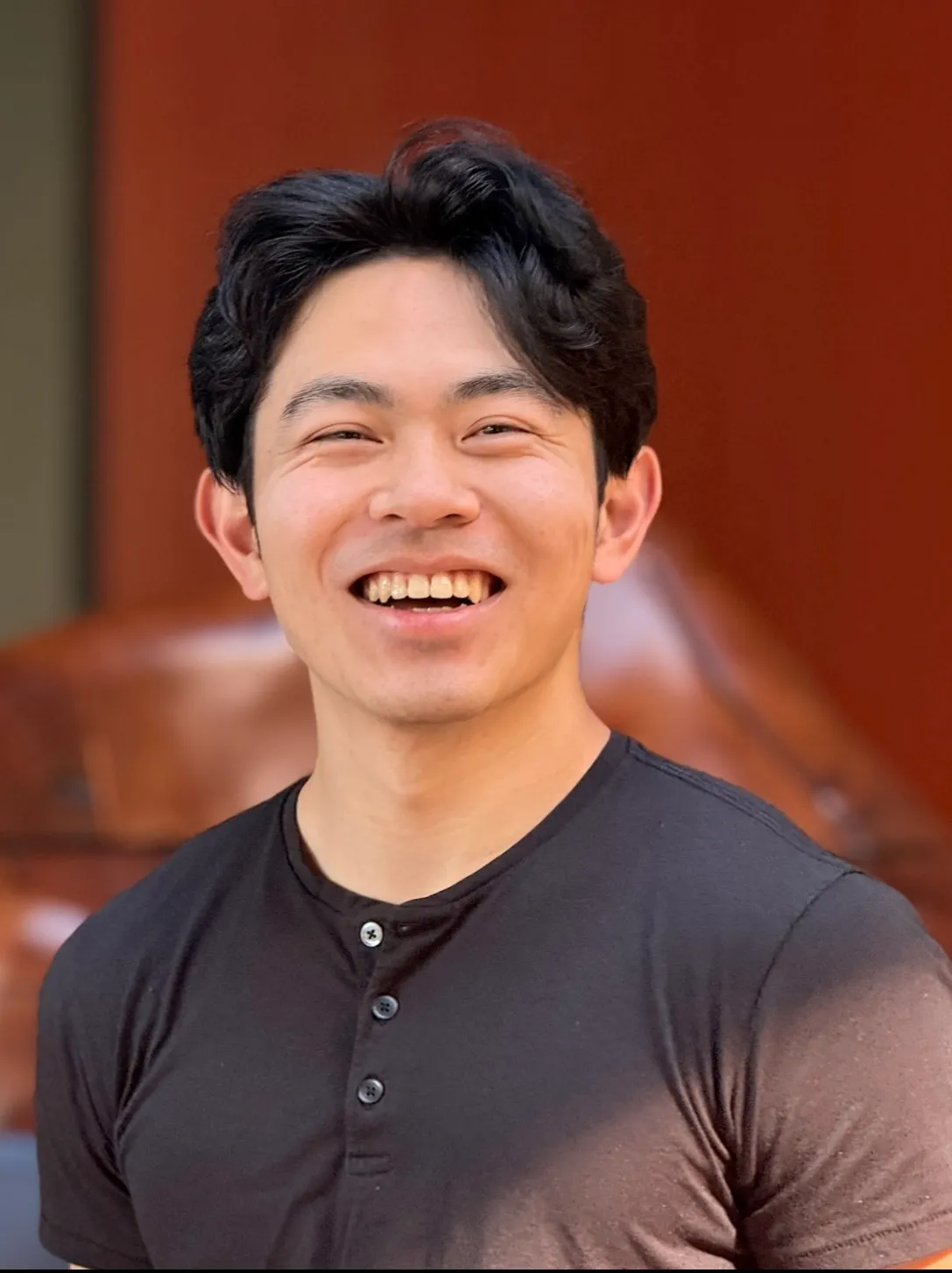
The service is called Date Drop, and behind it is graduate student Henry Weng — a soft-spoken computer scientist whose project is beginning to challenge assumptions about how modern dating works.
The Swipe Fatigue Generation
For more than a decade, online dating has followed a familiar formula: high volume, low commitment. Swipe-based apps promised convenience and expanded choice, but they also created a paradox. The more people users could access, the harder it became to meaningfully connect with any of them.
Young adults, particularly college students, have grown increasingly frustrated with the system. Many describe dating apps less as social tools and more as psychological endurance tests. Endless profiles, ghosting, superficial judgments, and conversations that never lead to real meetings have become the norm.
Weng recognized the problem not through market research, but through observation.
Friends complained about the emotional drain. Matches rarely became dates. Dates rarely became relationships. The entire process felt transactional rather than human.
So he tried something radical in the world of dating technology: removing choice.
One Match, Once a Week
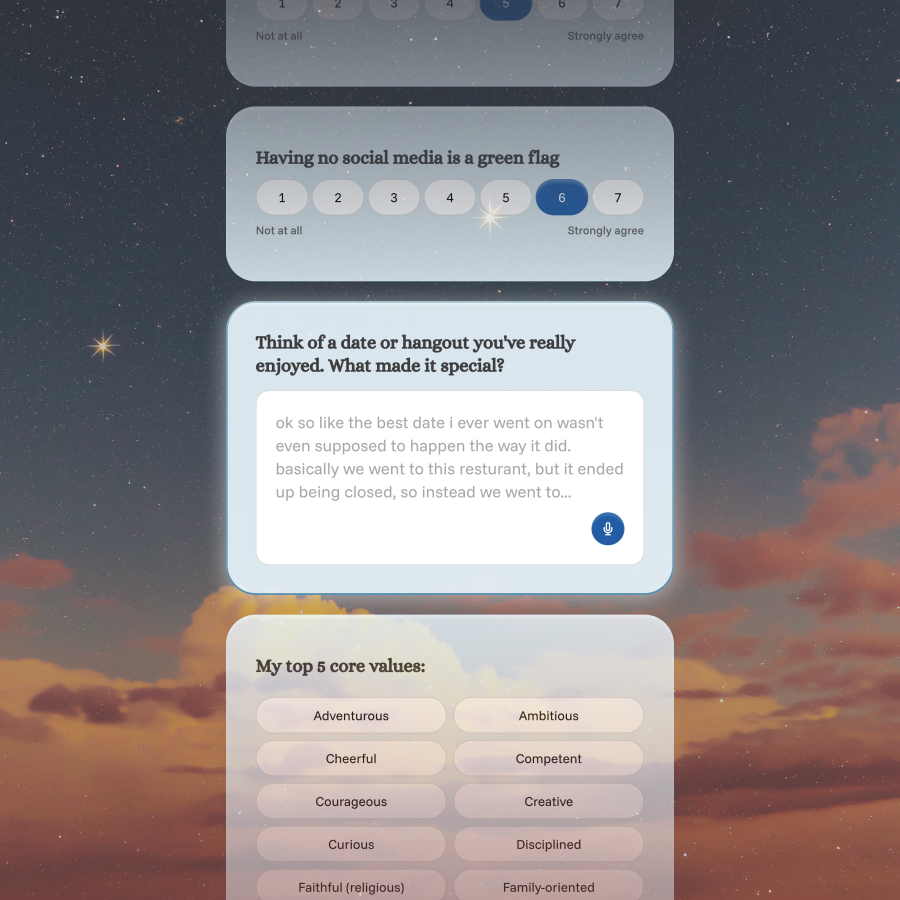
Date Drop does not allow users to scroll through hundreds of profiles. Instead, students fill out a detailed questionnaire designed to capture personality, preferences, communication style, and values. They also provide open-ended responses and even voice conversations.
Then they wait.
Once per week, the system delivers exactly one match.
No swiping. No browsing. No comparison shopping.
Just a person.
The philosophy behind the service is simple: if people have fewer options, they invest more attention.
And attention, Weng believes, is the missing ingredient in modern dating.
Since launching in the fall semester, more than 5,000 Stanford students have tried Date Drop. The experiment has already expanded to ten additional universities, including MIT, Princeton, and the University of Pennsylvania. Plans are underway to bring the service to cities beyond campuses in the near future.

A Different Kind of Algorithm
Dating platforms have always relied on compatibility prediction, but Date Drop claims to operate on a deeper level.
Most apps attempt to predict attraction. Weng wants to predict relationship success.
The difference lies in data feedback. Because the service helps users actually plan dates — not just exchange messages — it gathers real-world outcome information. Did they meet? Did they see each other again? Did the connection continue?
That allows the system to train its model on what truly works, not what simply looks appealing on a screen.
According to Weng, the conversion rate from match to actual date is roughly ten times higher than typical swipe-based apps.
That statistic has drawn attention from both students and investors.
From Campus Project to Startup
Originally, Date Drop was never intended to become a business.
Weng built it as a campus experiment — a social infrastructure project rather than a company. He simply wanted a healthier dating environment at school.
Everything changed when a close friend met their partner through the service.
At that moment, the project stopped feeling theoretical. It had altered someone’s life.
Demand from other universities quickly followed. Students at different schools requested the service. Maintaining and expanding the system suddenly required resources beyond a hobby.
So Weng created a startup: The Relationship Company.
Unlike traditional tech startups, it operates as a public benefit corporation, meaning it is legally obligated to consider social impact alongside profit.
That structure reflects the founder’s belief that relationships are not merely a market opportunity — they are a societal infrastructure.
Investors See Potential
Despite its unconventional mission, the company has attracted notable early funding from prominent technology investors.
Supporters include gaming entrepreneur Mark Pincus, venture capitalist Andy Chen, and well-known startup backer Elad Gil. Together, they have helped raise several million dollars to expand the service.
The interest stems from a simple premise: if modern dating apps optimize engagement, a platform optimizing successful relationships could reshape the industry.
In other words, success might come not from maximizing screen time — but from helping users leave the app.
Beyond Romance
Weng does not view Date Drop as the final product.
Instead, he sees it as proof of concept.
The broader goal of The Relationship Company is to facilitate meaningful connections across all areas of life: friendships, professional relationships, communities, and events.
His academic background supports this ambition. During his undergraduate years, he designed a self-directed major focused on matching theory — the economic and mathematical study of how people pair with opportunities, institutions, and each other.
From college admissions to hiring processes to lifelong partnerships, matching shapes human outcomes more than most realize.
Dating, in his view, is just the most emotionally visible example.
The Psychology of Limitation
A core principle behind Date Drop is counterintuitive in the digital age: fewer options create stronger commitment.
Research in behavioral psychology suggests that excessive choice reduces satisfaction. When individuals are presented with too many possibilities, they struggle to invest in any single one.
Traditional dating apps maximize exposure. Date Drop maximizes attention.
Instead of asking, “Is this person the best possible option?” users ask, “Could this person be meaningful?”
The shift changes expectations. A date becomes exploration rather than evaluation.
Students report they are more likely to meet matches in person because the system creates a sense of intentionality. The weekly release also introduces anticipation — something long absent from algorithmic dating.
Learning From Failure
Interestingly, one of the most influential courses in Weng’s entrepreneurial journey was not technical.
It was a class about clowning.
The course emphasized embracing failure publicly and repeatedly. Performers were taught to lean into mistakes rather than hide them — transforming embarrassment into connection.
For a startup founder, the lesson proved invaluable.
Building a product centered on human emotion inevitably involves missteps. Matches fail. Users churn. Assumptions break.
But instead of avoiding imperfection, Weng incorporated iteration as part of the design philosophy. The platform continuously adapts based on outcomes.
In a sense, the system learns the same way relationships do: through experience.
Building a Relationship-Focused Company
The company’s internal culture mirrors its product.
Employees receive a monthly stipend intended specifically for strengthening relationships — dates, family activities, gifts, or shared experiences. The purpose is both symbolic and practical: if the company aims to improve human connection, its team must actively practice it.
The idea reflects research showing that spending money on others increases happiness more than spending it on oneself.
For Weng, the principle is foundational rather than decorative.
Technology, he believes, should not merely connect people efficiently. It should improve the quality of those connections.
A Reaction Against Gamification
Modern social platforms rely heavily on gamification. Notifications, streaks, likes, and swipes create addictive feedback loops designed to maximize engagement.
Dating apps adopted similar mechanics, transforming romance into a behavioral reward system.
Date Drop deliberately avoids these patterns.
No streaks. No daily activity requirements. No infinite browsing.
Instead, the platform slows users down — a rare approach in a technology sector built on speed.
The result is less dopamine, but more intention.
The Future of Human Matching
The expansion beyond universities may prove the startup’s real test. College campuses naturally foster social openness and experimentation. Cities, however, present diverse demographics and expectations.
Yet the company believes the same dissatisfaction with traditional dating exists everywhere.
If successful, the platform could influence not only dating but other forms of social coordination — networking events, roommate matching, collaborative communities, and mentorship connections.
In essence, Weng is attempting to build infrastructure for trust.
Why It Resonates Now
The popularity of the service reflects a broader cultural shift.
Younger generations increasingly prioritize authenticity and emotional well-being. Many have grown skeptical of platforms that monetize attention rather than improve lives.
In that environment, a product promising fewer interactions but better outcomes feels refreshing.
The appeal is not technological sophistication alone. It is philosophical positioning.
Date Drop does not promise more matches.
It promises better ones.
The Human Element
Perhaps the most telling impact has been on the founder himself.
Through building the platform, Weng says he has encountered people he never would have met otherwise. The project broadened his own openness to unfamiliar personalities and experiences.
In trying to engineer connection, he became more receptive to it.
That transformation hints at the deeper idea behind the company: relationships are not problems to solve but environments to cultivate.
Technology can assist, but only when designed to step back rather than dominate.
A Quiet Disruption
History often celebrates disruptive startups that move fast and break things.
Date Drop represents a quieter form of disruption: moving slowly and fixing something.
Instead of amplifying choice, it restricts it.
Instead of increasing engagement, it aims to reduce dependence.
Instead of capturing attention, it releases it into real life.
Whether it can scale beyond campuses remains uncertain. But its existence alone signals a turning point in how people want technology to mediate relationships.
For years, digital platforms tried to simulate connection.
Now, a new generation of builders is trying to restore it.
And sometimes, all it takes is one match a week.