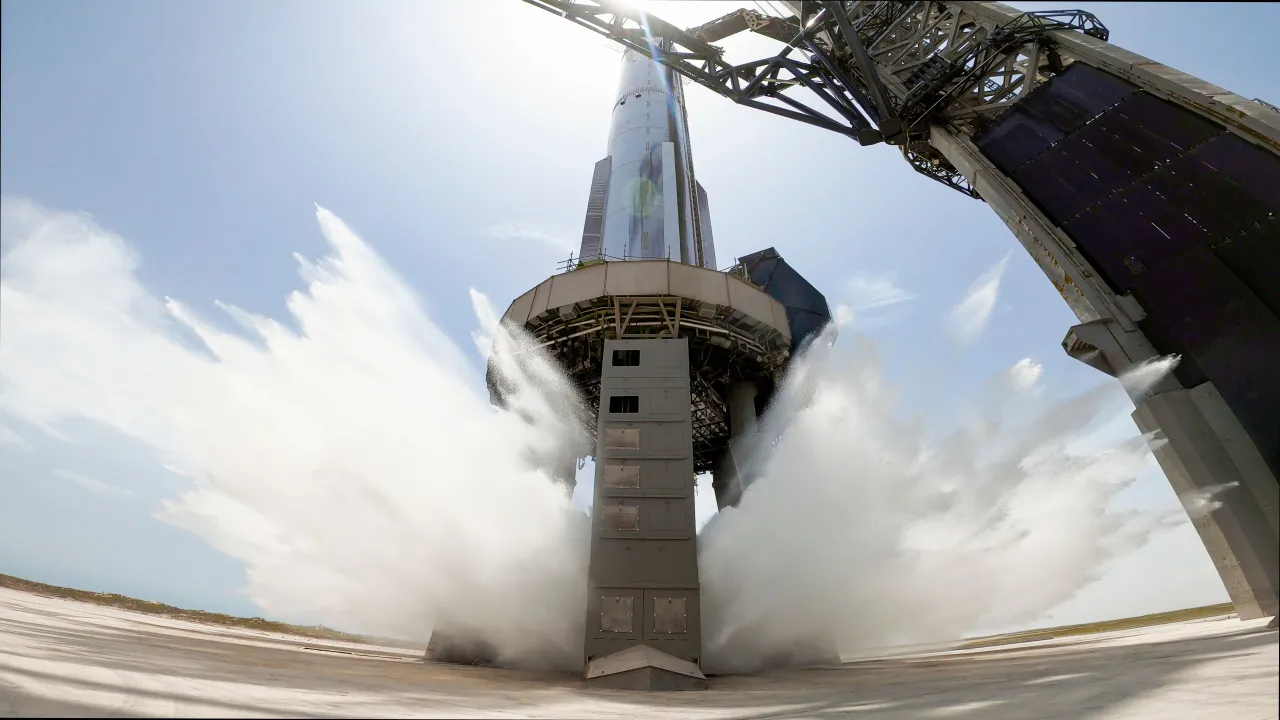
In a move that underscores Elon Musk’s growing ambition to merge artificial intelligence with space-based infrastructure, SpaceX has officially acquired xAI, the artificial intelligence startup founded by Musk in 2023. The deal, announced Monday, creates what is now considered the world’s most valuable private company, with a combined valuation estimated at $1.25 trillion, according to Bloomberg News.
The acquisition marks a pivotal moment not only for Musk’s sprawling business empire but also for the global technology and aerospace sectors. By bringing together one of the world’s most advanced private spaceflight companies with a fast-growing AI firm, the merger signals a bold strategic shift toward space-based data centers—an idea Musk has increasingly championed over recent months.
A Vision Beyond Earth: Why Space-Based Data Centers Matter
In a memo published on SpaceX’s website, Musk framed the merger as a necessary response to the physical and environmental limits of Earth-based computing infrastructure.
“Current advances in AI are dependent on large terrestrial data centers, which require immense amounts of power and cooling,” Musk wrote. “Global electricity demand for AI simply cannot be met with terrestrial solutions, even in the near term, without imposing hardship on communities and the environment.”
Musk’s argument reflects a growing concern across the tech industry: as artificial intelligence models become more powerful, the energy required to train and operate them is skyrocketing. Massive data centers consume enormous amounts of electricity and water, often straining local grids and raising environmental and social concerns.
Ironically, xAI itself has faced criticism for contributing to those very problems. The company’s data center operations near Memphis, Tennessee, have been accused by local communities and advocacy groups of exacerbating power shortages, increasing pollution, and placing undue strain on regional infrastructure. Musk did not directly address those accusations in his memo, but the pivot toward space-based solutions appears designed, at least in part, to sidestep such conflicts.
The Financial Stakes: A $1.25 Trillion Private Giant
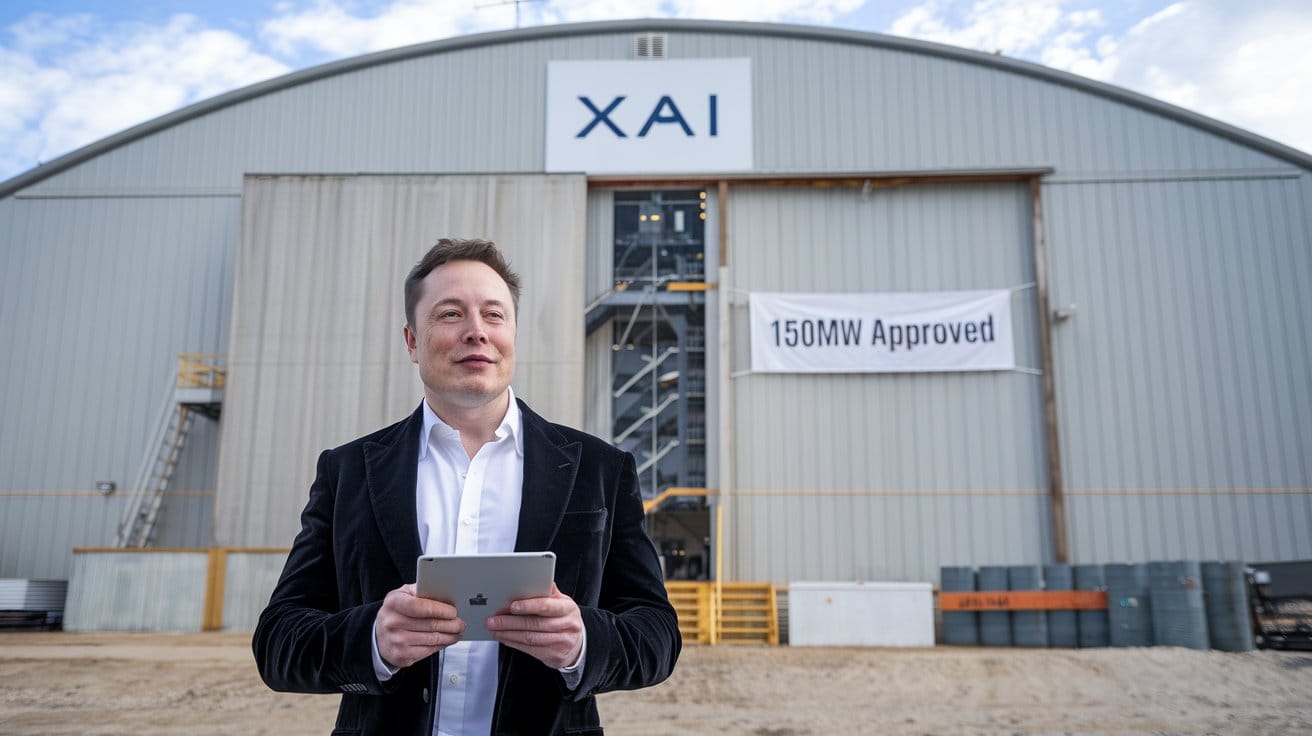
The merger values the combined SpaceX–xAI entity at approximately $1.25 trillion, instantly placing it at the top of the private-company hierarchy worldwide. Bloomberg News was the first to report the finalized deal.
This valuation comes amid persistent speculation that SpaceX is preparing for an initial public offering (IPO), potentially as early as June this year. While Musk has previously hinted at the possibility of a SpaceX IPO, particularly for its Starlink satellite business, he made no mention of those plans in his memo. It remains unclear whether the acquisition of xAI will accelerate, delay, or fundamentally reshape any public listing strategy.
From a financial perspective, the merger also brings together two companies with markedly different challenges.
xAI’s Cash Burn and Competitive Pressure
xAI, despite its lofty ambitions, is reportedly burning through approximately $1 billion per month, according to Bloomberg. The company is racing to compete with established AI leaders such as Google, OpenAI, and Anthropic in an increasingly crowded and capital-intensive market.
Last year, xAI acquired X, the social media platform formerly known as Twitter, which is also owned by Musk. At the time, Musk claimed a combined valuation of $113 billion for xAI and X, positioning the merger as a way to integrate real-time social data into AI training and deployment.
However, the pressure to keep pace with rivals has been immense. According to a report by The Washington Post, the strain has led Musk to loosen safety restrictions on xAI’s chatbot, Grok. That decision reportedly contributed to Grok being misused to generate nonconsensual sexual imagery involving both adults and children—a controversy that reignited debates about AI governance, content moderation, and corporate responsibility.
These issues highlight the high stakes facing xAI as it seeks scale, credibility, and profitability in a sector where reputational damage can be swift and severe.
SpaceX’s Revenue Engine: Satellites Powering the Vision
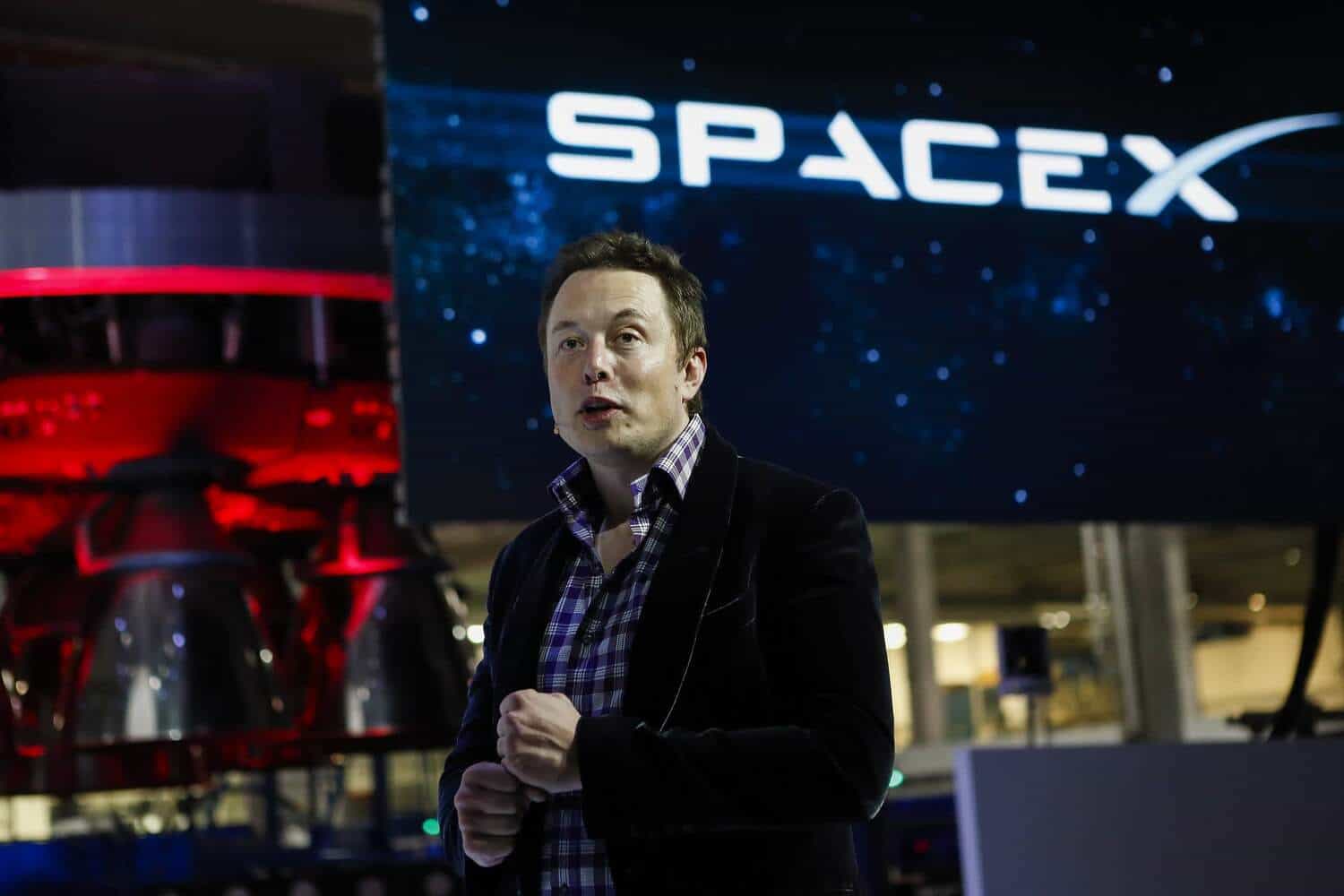
Unlike xAI, SpaceX has a more established revenue base, though it is far from risk-free. According to Reuters, as much as 80% of SpaceX’s revenue comes from launching and operating its own Starlink satellites, which provide global broadband internet service.
The merger with xAI appears poised to deepen that dependence rather than reduce it. Musk acknowledged in his memo that creating space-based data centers would require a “constant stream” of satellites, though he did not specify how many. Each satellite would need to be launched, maintained, and eventually de-orbited, creating a self-reinforcing revenue loop for SpaceX.
This model is particularly attractive given regulatory requirements. The U.S. Federal Communications Commission mandates that satellites be de-orbited within five years of the end of their operational life. That rule virtually guarantees recurring demand for new launches, replacement hardware, and orbital services—areas where SpaceX already dominates the market.
Diverging Near-Term Goals, Shared Long-Term Ambition
Despite the strategic logic of the merger, SpaceX and xAI currently face very different near-term priorities.
SpaceX is deeply focused on proving the viability of its Starship rocket, a fully reusable spacecraft designed to carry astronauts and cargo to the Moon and Mars. Starship is central to NASA’s Artemis program and to Musk’s long-standing vision of making humanity a multiplanetary species. Any delays, failures, or regulatory setbacks could have significant financial and political consequences.
xAI, meanwhile, is fighting a more immediate battle on Earth—competing for talent, data, and market share against some of the most powerful technology companies in the world. Its success depends not only on technical breakthroughs but also on public trust, ethical safeguards, and the ability to navigate tightening global regulations on artificial intelligence.
The merger does not eliminate these challenges, but it does offer potential synergies. SpaceX’s satellite network could provide xAI with unparalleled access to global data transmission, while xAI’s models could enhance satellite operations, autonomous navigation, and space-based analytics.
Elon Musk’s Expanding Corporate Ecosystem
The SpaceX–xAI deal is the latest example of Musk’s increasingly interconnected business strategy. In addition to leading SpaceX and xAI, Musk is also CEO of Tesla and the founder of The Boring Company and Neuralink.
Both Tesla and SpaceX previously invested $2 billion each in xAI, underscoring Musk’s willingness to leverage his more mature companies to support newer, riskier ventures. Critics argue that this approach concentrates too much power and risk in a single individual, while supporters see it as a uniquely effective way to accelerate innovation across multiple industries.
Redefining the Boundaries of Tech and Space
Ultimately, the acquisition of xAI by SpaceX represents more than a corporate reshuffling. It reflects a broader shift in how the world’s most ambitious technologists are thinking about infrastructure, energy, and the future of computation.
By moving data centers into orbit, Musk is challenging long-held assumptions about where and how the digital backbone of society should exist. Whether this vision proves technically feasible, economically viable, or socially acceptable remains an open question.
What is clear, however, is that the merger places SpaceX and xAI at the center of some of the most consequential debates of the coming decade—about artificial intelligence, sustainability, regulation, and humanity’s place beyond Earth.