Waymo Details the Factors Behind Its Robotaxis Stalling During San Francisco’s Power Outage

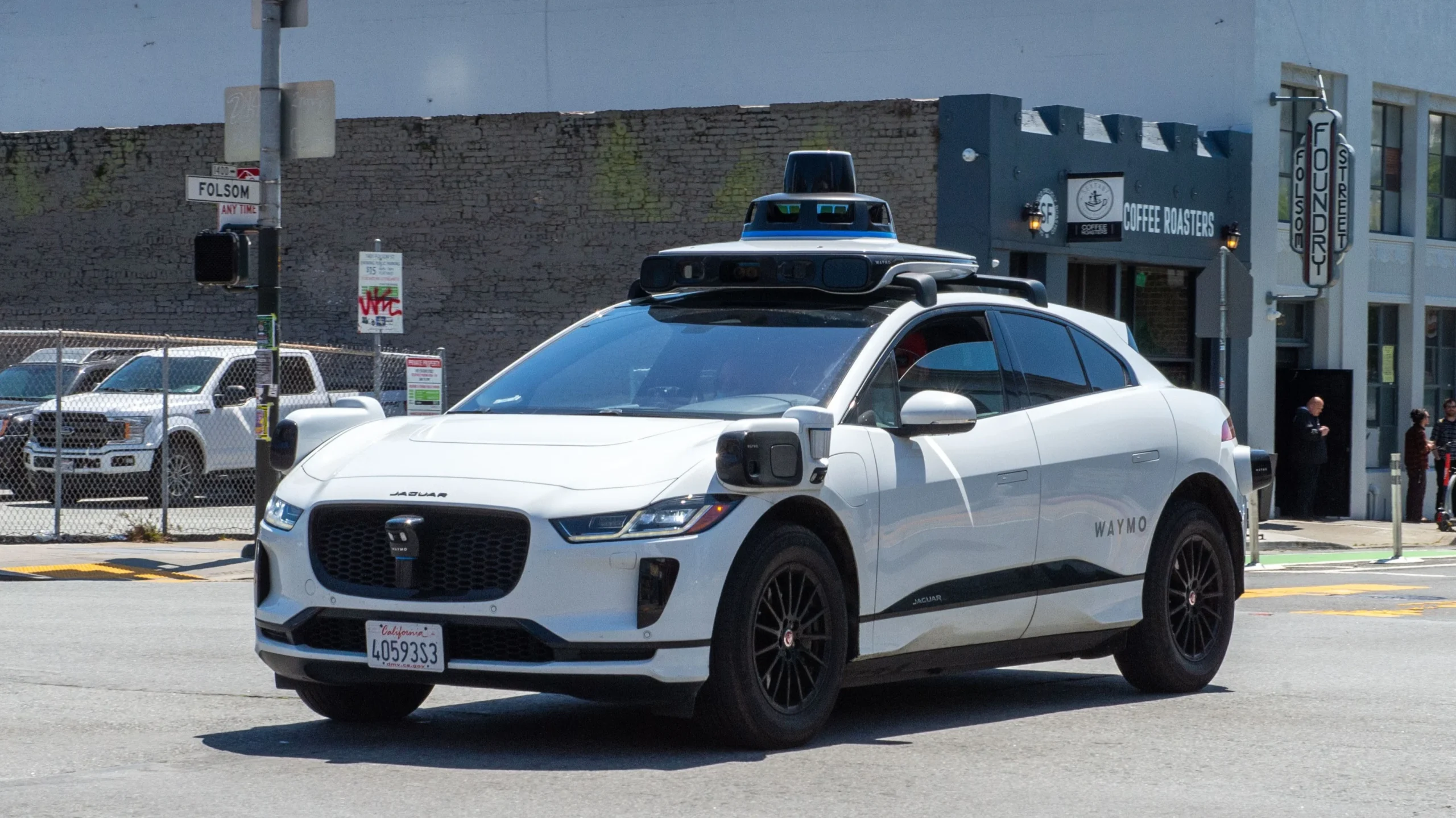
Waymo, Alphabet’s autonomous driving subsidiary, has announced a fleet-wide software update aimed at improving how its robotaxis handle disabled traffic lights during large-scale power outages. The move comes after a widely shared incident in San Francisco last weekend, where multiple Waymo vehicles were seen stalled at intersections amid a citywide blackout, raising fresh questions about the readiness of autonomous vehicles to handle rare but high-impact urban disruptions.
In a detailed blog post published Tuesday, Waymo sought to clarify what went wrong during the outage, why its vehicles appeared to hesitate at intersections, and how the company plans to prevent similar congestion in the future. While the incident reignited public skepticism around self-driving technology, Waymo emphasized that the majority of its fleet continued operating safely, successfully navigating thousands of dark intersections without human intervention.
Still, the episode underscores a familiar reality in the autonomous vehicle industry: even as self-driving systems improve rapidly under normal conditions, edge cases — especially those involving unexpected infrastructure failures — continue to expose gaps between technical capability and real-world complexity.
What Happened During the San Francisco Blackout?
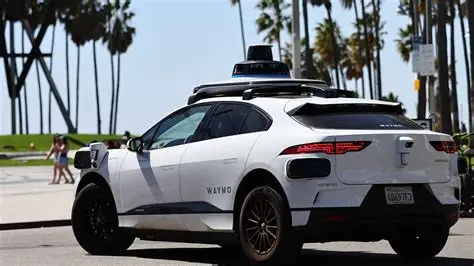
The incident occurred during a widespread power outage that affected large parts of San Francisco, disabling traffic signals across multiple neighborhoods. Videos circulating on social media showed clusters of Waymo robotaxis stopped at intersections, apparently unsure how to proceed while surrounding human-driven vehicles cautiously navigated the same conditions.
To many observers, the scene appeared to contradict a basic rule of the road: when traffic lights go dark, drivers are expected to treat the intersection as a four-way stop. Critics questioned why Waymo’s vehicles, equipped with advanced sensors and artificial intelligence, struggled with a scenario familiar to most human drivers.
Waymo, however, says the underlying logic of its self-driving system was not at fault.
According to the company, its autonomous software already treats disabled traffic signals as four-way stops, mirroring standard human driving rules. In theory, this should have allowed the robotaxis to proceed normally, yielding and advancing as appropriate.
The problem, Waymo explained, arose from an additional safety layer built into its fleet operations: a “confirmation check” system designed to seek human verification in ambiguous or unusual situations.
The Role of “Confirmation Checks”
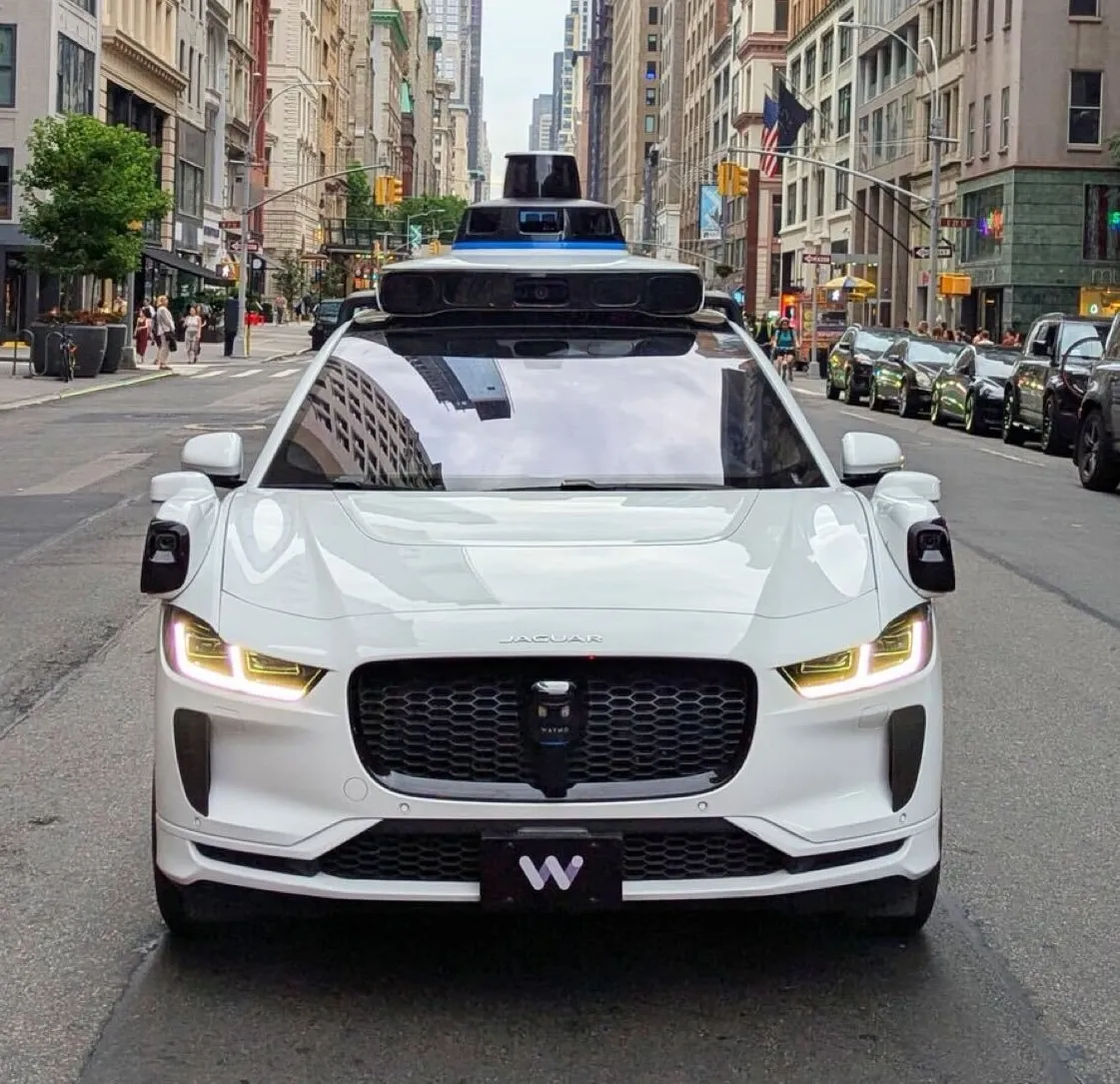
Waymo robotaxis are designed to operate without human drivers, but they are not entirely isolated from human oversight. Each vehicle can request a confirmation check from Waymo’s fleet response team when it encounters a scenario that, while technically understood, carries elevated uncertainty or risk.
This system was intentionally designed “out of an abundance of caution,” particularly during Waymo’s early deployments, when the company prioritized safety and regulatory trust over operational speed.
Under normal circumstances, these confirmation requests are relatively rare and easily managed by Waymo’s remote support teams. But Saturday’s outage created an unusual convergence of events.
With traffic signals disabled across a wide area simultaneously, many robotaxis encountered the same type of scenario at once. As a result, the fleet generated what Waymo described as a “concentrated spike” in confirmation requests — far exceeding what the system was originally designed to handle.
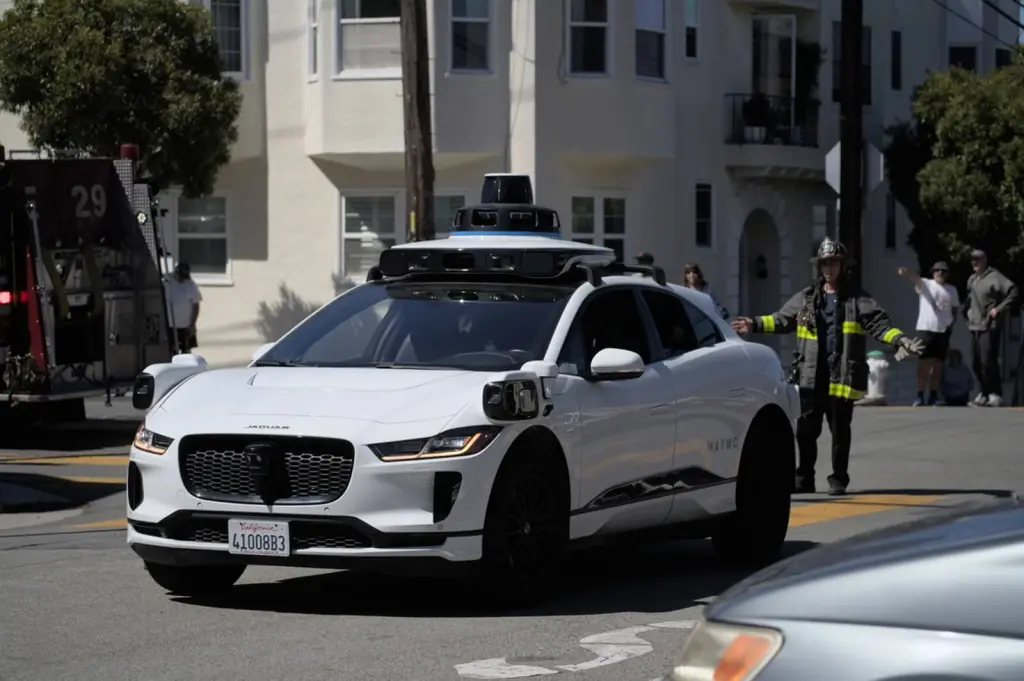
The response teams, suddenly flooded with requests, became a bottleneck. Vehicles awaiting confirmation paused at intersections longer than necessary, creating visible congestion and, in some cases, blocking traffic flow.
“It wasn’t that the vehicles didn’t know what to do,” the company implied. “It was that too many of them were double-checking at the same time.”
From Early Deployment to Scaled Operations
Waymo acknowledged that the confirmation request system, while effective during small-scale rollouts and isolated incidents, has become less suitable as the fleet grows and operates across larger, denser urban environments.
“This strategy was effective during smaller outages,” Waymo wrote, “but we are now refining it to match our current scale.”
The new software update aims to reduce unnecessary hesitation by providing the self-driving system with richer contextual awareness during large power outages. Specifically, Waymo says it will incorporate more detailed regional outage data, allowing vehicles to recognize when traffic signal failures are widespread rather than isolated anomalies.
Armed with this context, the system can make more confident decisions without escalating each instance to human oversight, enabling smoother traffic flow even during major infrastructure disruptions.
In other words, Waymo is shifting from a model that assumes every unusual event requires confirmation, to one that allows the system to recognize patterns and act decisively when conditions are broadly understood.
Beyond Software: Updating Emergency Response Protocols
The company also said it is revisiting its emergency response procedures in light of the incident. While software improvements are central to the fix, Waymo emphasized that operational protocols — including how remote teams are staffed and how incidents are triaged — will also be updated.
By “incorporating lessons from this event,” Waymo aims to ensure that future large-scale disruptions do not overwhelm its support infrastructure or lead to visible fleet paralysis.
This dual approach reflects a growing realization in the autonomous vehicle industry: reliability is not just about algorithms and sensors, but also about organizational readiness and operational resilience.
The Numbers Tell a More Nuanced Story
Despite the attention drawn to the stalled vehicles, Waymo pushed back against the idea that the blackout represented a systemic failure.
According to the company, its robotaxis successfully navigated more than 7,000 dark traffic signals during the same day — a statistic meant to contextualize the viral footage and demonstrate that the majority of encounters were handled smoothly.
From Waymo’s perspective, the incident was not a collapse of autonomy, but a stress test that revealed specific limitations in how rare, citywide events are managed at scale.
“Navigating an event of this magnitude presented a unique challenge for autonomous technology,” the company wrote, framing the outage as an extreme scenario rather than a routine operational failure.
A Pattern of Learning Through Edge Cases
Saturday’s blackout is not the first time Waymo has had to adjust its software in response to real-world surprises.
Earlier deployments revealed issues with how robotaxis responded to stopped school buses, prompting scrutiny from the National Highway Traffic Safety Administration (NHTSA). That investigation ultimately led Waymo to issue a recall and deploy multiple software updates to address the problem.
While critics view such incidents as evidence that self-driving technology is still unready for widespread use, Waymo and other industry players argue that this iterative process is an unavoidable — and necessary — part of deploying complex systems in unpredictable environments.
Each edge case, they contend, strengthens the system by expanding its understanding of real-world variability.
Public Trust and the Visibility Problem
One of the biggest challenges highlighted by the San Francisco incident is not purely technical, but perceptual.
Autonomous vehicles operate under intense public scrutiny. A handful of stalled robotaxis can quickly dominate headlines and social media, even if thousands of others functioned flawlessly at the same time.
For residents and city officials, visible congestion caused by autonomous vehicles — regardless of scale — can undermine confidence in the technology and fuel calls for tighter regulation.
San Francisco, in particular, has become a proving ground for robotaxi services, with companies like Waymo and Cruise operating in dense, unpredictable urban settings. Each misstep carries outsized symbolic weight, shaping how the public perceives the broader promise of autonomy.
The Broader Implications for Autonomous Mobility
The blackout incident illustrates a central tension in autonomous vehicle development: the balance between caution and confidence.
Overly cautious systems risk paralysis in complex situations, while overly aggressive ones risk safety violations and regulatory backlash. Finding the right equilibrium — especially as fleets scale up — remains one of the industry’s hardest problems.
Waymo’s decision to reduce reliance on human confirmation during known large-scale events signals a gradual shift toward greater autonomy, not just in driving behavior, but in decision-making authority.
At the same time, the company’s emphasis on safety-first design and transparency reflects an awareness that public trust, once lost, is difficult to regain.
A Glimpse Into the Road Ahead
As autonomous vehicles move closer to mainstream adoption, incidents like the San Francisco blackout serve as reminders that progress will not be linear.
Power outages, natural disasters, construction zones, and human unpredictability will continue to test the limits of even the most advanced systems. Each test exposes weaknesses — but also creates opportunities for refinement.
For Waymo, the lesson appears clear: autonomy at scale requires not just smarter vehicles, but smarter systems around them.
And while the weekend’s congestion may have been inconvenient and embarrassing, it may ultimately contribute to making autonomous fleets more resilient, decisive, and reliable in the face of real-world chaos.
In the long arc of self-driving development, moments like these may prove less a failure — and more a necessary step forward.