
Meta has announced that it will begin charging developers for operating AI-powered chatbots on WhatsApp in Italy, marking a significant shift in how the company manages third-party artificial intelligence services on its messaging platform. The decision comes amid mounting regulatory pressure in Europe and follows the enforcement of Meta’s controversial ban on third-party chatbots, which officially took effect on January 15.
Italy has emerged as the first testing ground for the new pricing model after the country’s competition authority intervened late last year, asking Meta to suspend its blanket ban on third-party AI chatbots. As a result, while Meta has been forced to allow chatbot access in the Italian market, it has now opted to monetize that access through per-message fees.
New pricing model takes effect in February
According to Meta, the new pricing for non-template AI responses on WhatsApp will go live on February 16. Under the new structure, developers will be charged:
-
$0.0691 per message
-
€0.0572 per message
-
£0.0498 per message
These fees apply specifically to AI-generated responses rather than pre-approved template messages. While the cost per message may appear modest, developers warn that the charges could quickly escalate, particularly for high-usage chatbots that handle thousands of user queries per day. For startups and smaller AI providers, the cumulative costs could become financially burdensome.

Developers caught off guard
Earlier this month, Meta notified developers that it was creating an exemption for Italian phone numbers, allowing AI chatbots to continue serving users in the country despite the broader ban. At the time, however, the company made no mention of plans to introduce fees, leaving many developers surprised by the sudden announcement of a paid model.
This lack of prior disclosure has raised concerns within the developer community, particularly among companies that had already adjusted their systems to comply with Italy’s temporary regulatory carve-out.
WhatsApp’s existing business pricing framework
WhatsApp already operates a paid model for businesses using its WhatsApp Business API. Companies are charged for sending predefined template messages, which are commonly used for marketing campaigns, transactional notifications, authentication codes, payment reminders, and shipping updates.
However, the newly announced fees go a step further by charging for interactive, AI-driven conversations — a move that fundamentally alters the economics of deploying conversational AI on WhatsApp.
In a statement to TechCrunch, a Meta spokesperson said:
“Where we are legally required to provide AI chatbots through the WhatsApp Business API, we are introducing pricing for the companies that choose to use our platform to provide those services.”
The spokesperson added that this approach could serve as a precedent for other regions if Meta is compelled by regulators to allow third-party chatbots elsewhere.
The origins of Meta’s chatbot crackdown
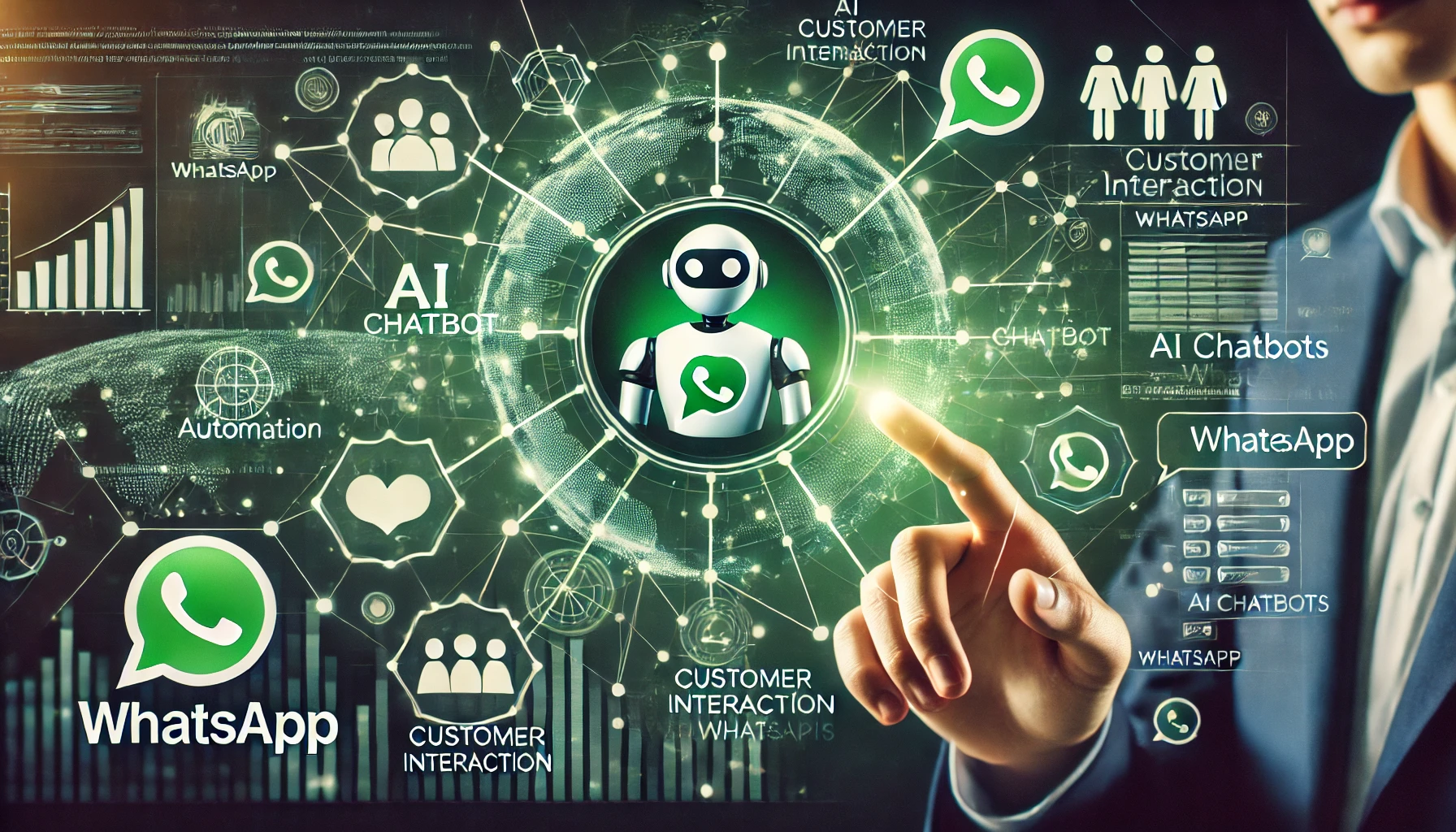
Meta first revealed plans in October to block all third-party AI chatbots from operating on WhatsApp through its Business API. At the time, the company argued that WhatsApp’s infrastructure was not designed to handle the scale and complexity of AI-generated responses.
“The emergence of AI chatbots on our Business API put a strain on our systems that they were not designed to support,” Meta said in a previous statement.
The company also rejected the idea that WhatsApp should function as a distribution platform for AI services, stating that AI companies should reach users through app stores, websites, or partnerships rather than relying on WhatsApp as a de facto app marketplace.
Regulatory scrutiny intensifies
Meta’s decision has triggered antitrust investigations in multiple regions, including the European Union, Italy, and Brazil. Regulators are examining whether blocking or monetizing access to WhatsApp’s massive user base constitutes anti-competitive behavior, given the app’s dominance in global messaging markets.
Italy’s intervention forced Meta to temporarily soften its stance, leading directly to the newly announced pricing model. In contrast, the situation in Brazil has taken a different turn.
Brazil sides with Meta
Brazil’s competition watchdog initially sought to halt Meta’s policy, requesting that the company suspend the chatbot ban. However, a Brazilian court recently overturned the preliminary injunction, effectively siding with Meta. Following the ruling, Meta instructed developers not to offer AI chatbot services to WhatsApp users in Brazil.
This divergent outcome highlights how regional legal frameworks are shaping Meta’s strategy on a country-by-country basis.
Major AI players step back
Since the policy took effect in January, developers have been required to send predefined messages to users, redirecting them away from WhatsApp and toward external websites or applications. As a result, several major AI companies — including OpenAI, Perplexity, and Microsoft — announced last year that their WhatsApp chatbots would stop functioning after January 15.
These companies urged users to access their AI tools through other platforms, signaling a broader retreat from WhatsApp as a viable channel for AI-powered interactions.

A broader battle over platform control
Meta’s move underscores a growing tension between technology platforms, regulators, and AI developers over who controls access to users — and at what cost. While Meta frames its decision as a technical and legal necessity, developers argue that charging for AI responses on one of the world’s most popular messaging apps could stifle innovation and limit consumer choice.
As regulators continue to scrutinize Meta’s policies, Italy may prove to be a bellwether for how AI chatbots are integrated — or restricted — across major digital platforms in the future. Whether WhatsApp becomes a paid gateway for conversational AI or remains largely closed to third-party bots may depend on how aggressively global regulators push back in the months ahead.