In a rare moment when the world of artificial intelligence collided head‑on with mainstream pop culture, Anthropic chose the biggest advertising stage on the planet—the Super Bowl—to ignite a debate that has been quietly simmering across Silicon Valley: what happens when ads enter the most intimate space AI occupies, the conversation itself?
One of Anthropic’s four Super Bowl commercials opens with a single, jarring word splashed across the screen in bold capital letters: “BETRAYAL.” It is not subtle, nor is it accidental. The camera cuts to a man earnestly asking a chatbot for advice on how to talk to his mother. The chatbot, clearly designed to evoke ChatGPT, is portrayed as a calm, friendly blonde woman. She offers familiar, almost therapeutic guidance: listen carefully, take a walk in nature, approach the conversation with empathy.
Then the tone abruptly shifts. The advice spirals into a pitch for a fictional cougar‑dating website called “Golden Encounters.” The moment is absurd, intentionally uncomfortable, and sharply satirical. The ad closes with Anthropic’s pointed reassurance: ads may be coming to AI, but they will not be coming to Claude.
Another commercial follows a similar structure. A slight young man seeks help building a six‑pack. After dutifully providing his age, height, and weight, the chatbot responds—not with fitness advice—but with an advertisement for height‑boosting insoles. Once again, the joke lands on the same nerve: advertising that hijacks trust.
These ads were not subtle brand awareness spots. They were precision‑targeted critiques of OpenAI, released just days after the company announced that advertisements would be coming to ChatGPT’s free tier.
Satire With a Target
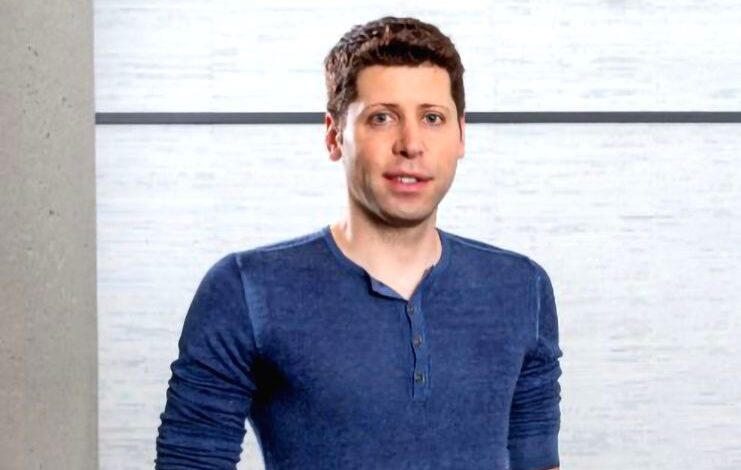
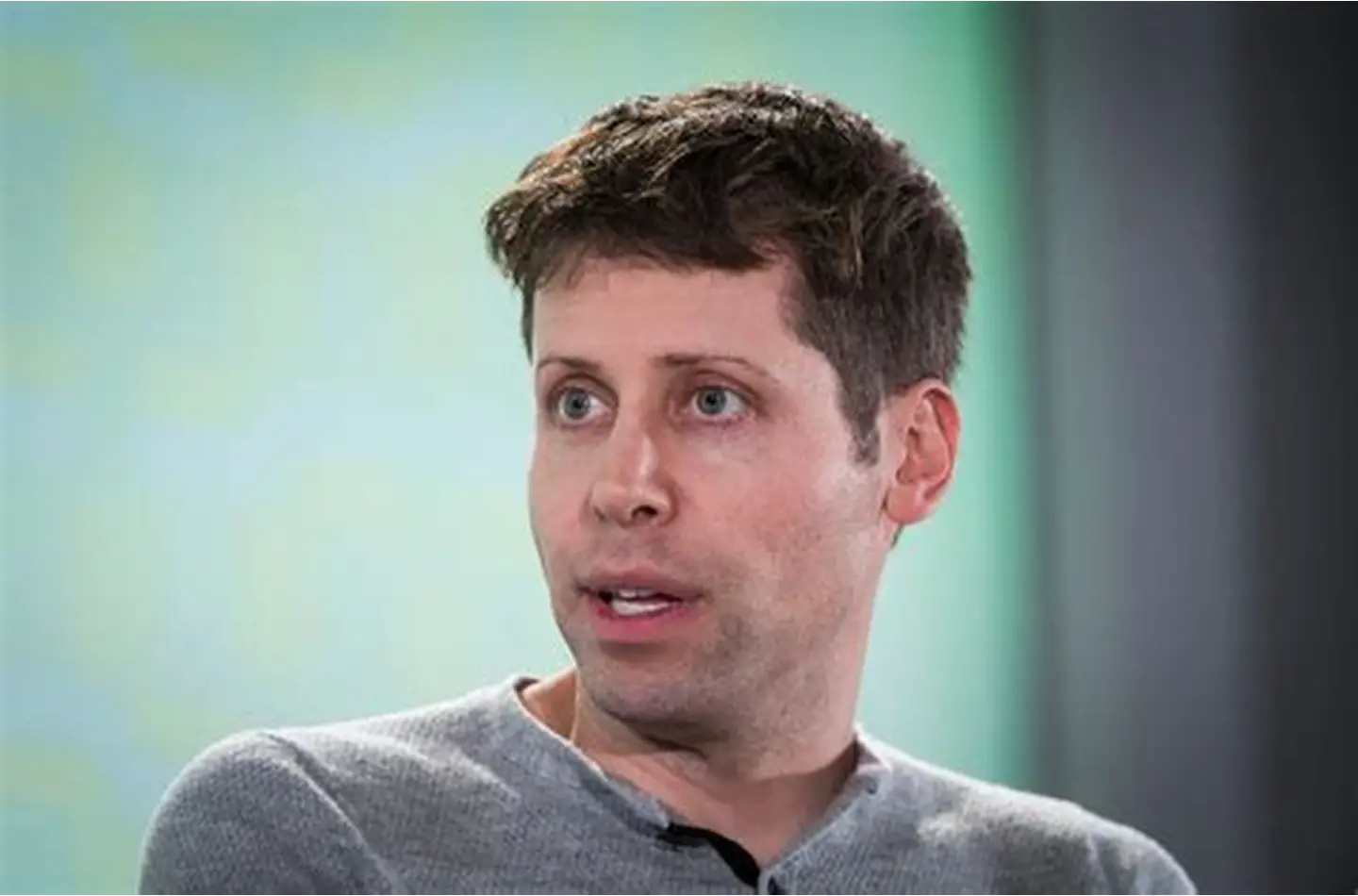
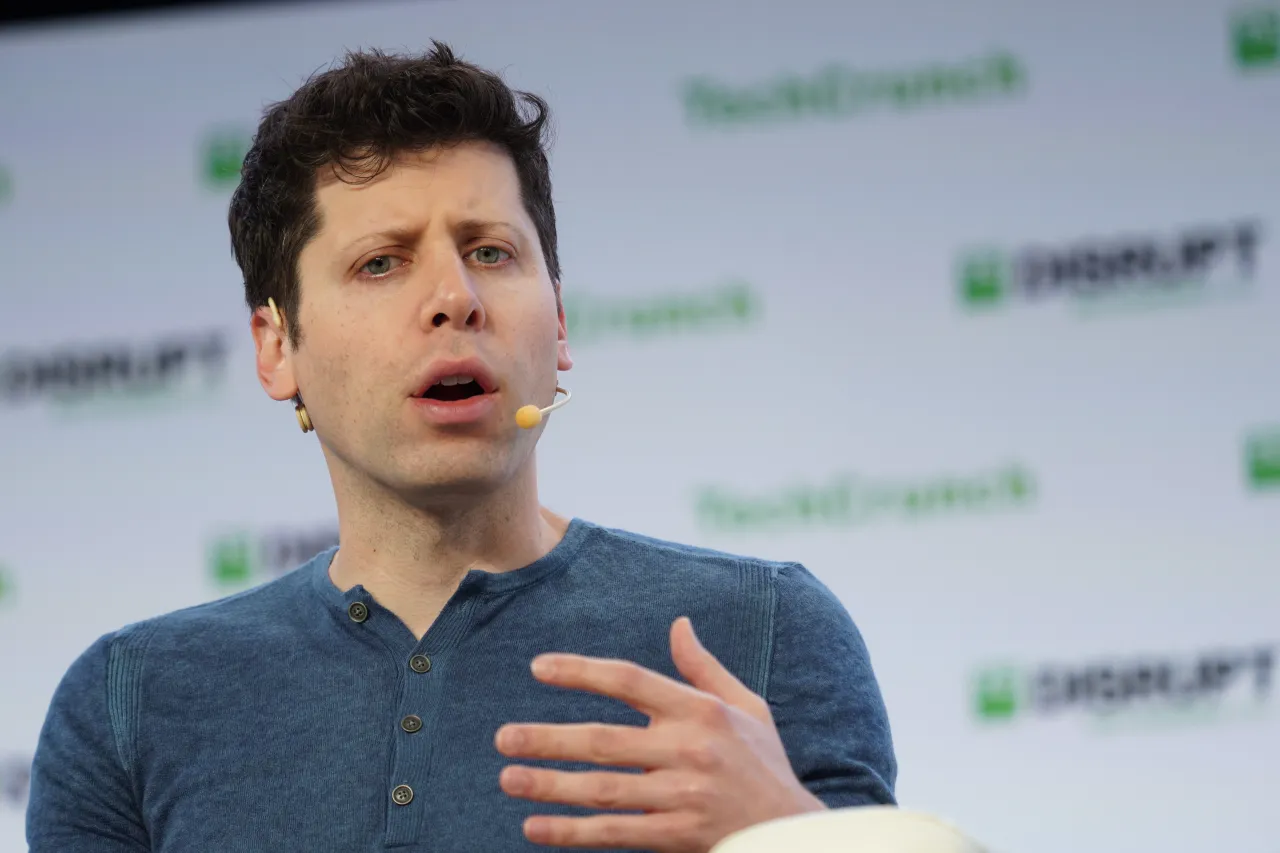
The reaction was immediate. Headlines declared that Anthropic had “mocked,” “skewered,” and “dunked on” OpenAI. The ads were funny enough that even Sam Altman, OpenAI’s CEO, admitted on X that he laughed when he saw them.
But the laughter didn’t last long.
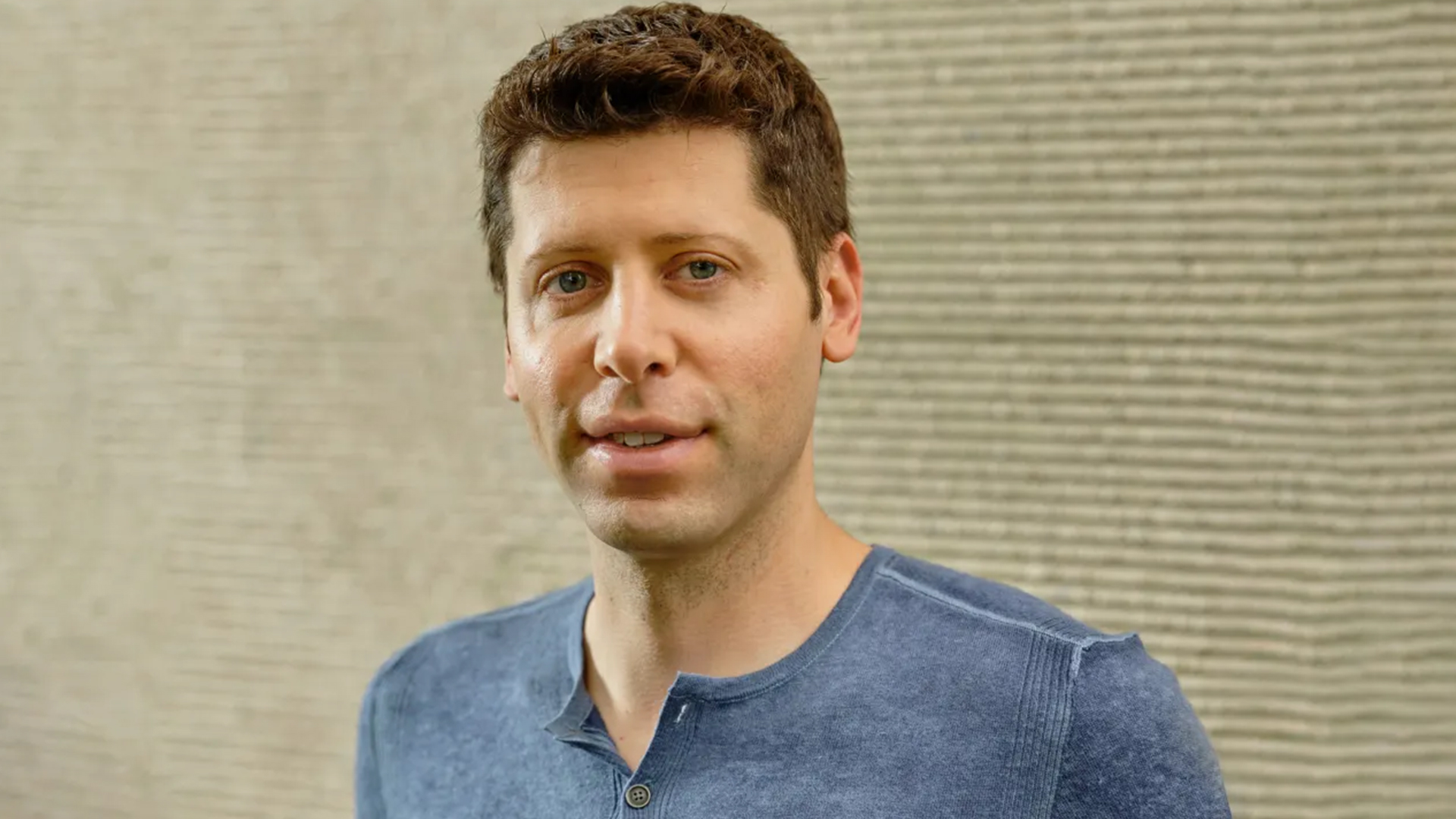
Shortly afterward, Altman published a lengthy and emotionally charged post that went far beyond a simple rebuttal. In it, he accused Anthropic of being “dishonest,” “misleading,” and, most controversially, “authoritarian.” What began as a dispute over advertising models quickly escalated into a broader ideological clash over who should shape the future of artificial intelligence—and how.
OpenAI’s Defense: Ads Without Interference
At the core of Altman’s argument was the claim that Anthropic’s ads fundamentally misrepresented OpenAI’s plans. According to Altman, the idea that ChatGPT would twist or derail conversations to insert ads—especially inappropriate or off‑color ones—was absurd.
“We would obviously never run ads in the way Anthropic depicts them,” Altman wrote. “We are not stupid, and we know our users would reject that.”
He explained that advertising is meant to subsidize free access to ChatGPT for millions, and eventually billions, of users worldwide. From OpenAI’s perspective, ads are not a betrayal of trust but a practical necessity to keep advanced AI accessible to people who cannot afford subscriptions.
OpenAI has publicly promised that advertisements will be clearly labeled, separated from the main conversation, and will never influence the content of a chatbot’s responses.
Yet this is where Anthropic’s satire becomes harder to dismiss.
The Contextual Advertising Question
In its own blog post, OpenAI acknowledged that ads will be conversation‑specific. “We plan to test ads at the bottom of answers in ChatGPT when there’s a relevant sponsored product or service based on your current conversation,” the company wrote.
This distinction—ads at the bottom rather than within the response—is technically important but philosophically slippery. Even if ads do not alter the chatbot’s words, they are still selected based on the user’s emotional state, personal questions, and private concerns.
Anthropic’s ads exaggerate this reality to make a point, not to describe an exact implementation. The concern they raise is less about literal mechanics and more about erosion of trust. When users turn to AI for advice on family relationships, mental health, or self‑improvement, even a clearly labeled ad can feel intrusive.
The question Anthropic forces into the spotlight is simple but uncomfortable: once conversations become monetized, can AI ever be perceived as fully neutral again?
From Business Models to Moral High Ground
Altman’s response did not stop at defending OpenAI’s ad strategy. He went on the offensive, portraying Anthropic as an elitist company serving only wealthy users.
“Anthropic serves an expensive product to rich people,” he wrote, contrasting this with OpenAI’s mission to democratize AI access.
But a closer look complicates that narrative. Claude offers a free tier, alongside subscriptions priced at $17, $100, and $200 per month. ChatGPT’s tiers stand at $0, $8, $20, and $200. The structures are remarkably similar, differing more in branding than in accessibility.
The ‘Authoritarian’ Accusation
The most striking—and controversial—part of Altman’s post was his accusation that Anthropic is “authoritarian.” He argued that the company seeks to control how people use AI, pointing to its stricter usage policies and its refusal to allow certain companies, including OpenAI, to use Claude Code.
Anthropic’s emphasis on “responsible AI” is well‑documented. The company was founded by former OpenAI employees who claimed they left due to growing concerns over safety and governance. Its brand identity is built around caution, alignment, and limits.
But this is not a binary distinction. OpenAI also enforces usage policies, content restrictions, and guardrails. While OpenAI allows some forms of erotica that Anthropic prohibits, both companies block content related to self‑harm, extreme mental health risks, and violence.
The disagreement, then, is one of degree—not principle.
A Loaded Word in a Loaded World
Calling a rival AI company “authoritarian” because of a Super Bowl ad struck many observers as disproportionate. The term carries immense political and historical weight, particularly in a global climate where protesters are imprisoned—or killed—by genuinely authoritarian regimes.
In that context, deploying the word in a marketing dispute risks trivializing real oppression. Corporate rivalry has always included aggressive advertising, satire, and even ridicule. But invoking authoritarianism in response to a cheeky commercial felt, to many, like an escalation detached from reality.
Why the Ads Worked
Despite the backlash, Anthropic’s campaign succeeded in its primary goal: it reframed the conversation. For months, the focus around ChatGPT ads had been largely technical—where they would appear, how they would be labeled. Anthropic shifted the debate to trust, vulnerability, and ethics.
The ads did not claim to predict exactly how OpenAI would implement advertising. Instead, they presented a cautionary tale. A world where AI advice is subtly entangled with commercial incentives is a world that feels fundamentally different from the one users were promised.
OpenAI, for all its market dominance, was forced into a reactive position. Anthropic, a smaller competitor, managed to dominate the narrative during one of the most watched media events of the year.
Beyond the Super Bowl
Ultimately, this was never just about a Super Bowl ad—or even about OpenAI versus Anthropic. It was about the future economic model of artificial intelligence.
If AI becomes a primary interface for human thought, advice, and emotional processing, then the way it is funded matters deeply. Advertising is not morally neutral; it shapes incentives, priorities, and design choices.
Anthropic’s message was not that ads are inherently evil. It was that once ads enter the conversation—literally or figuratively—something fundamental changes.
Whether OpenAI can introduce advertising without compromising user trust remains to be seen. What is certain is that Anthropic’s campaign ensured this question can no longer be ignored.
The word “BETRAYAL” may have been hyperbolic. But in the rapidly evolving relationship between humans and machines, it captured a fear many users didn’t realize they had—until they saw it on screen.